Correlation Analysis between Three-Year Retention Rate and Maintenance Cost of Mercedes-Benz EQE, BMW i5, and Audi Q8 e-tron
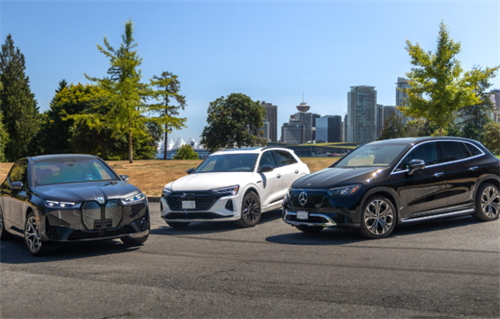
Electric vehicles from premium German brands have rapidly evolved from niche technology into mainstream luxury mobility solutions. As more consumers consider long-term ownership of models such as the Mercedes-Benz EQE, BMW i5, and Audi Q8 e-tron, understanding the relationship between maintenance costs and vehicle retention rates has become increasingly important. Industry-wide depreciation and ownership trend analyses indicate that resale value and cost predictability now rank alongside performance and design as decisive purchase factors in the luxury EV segment (Cox Automotive, 2024; Kelley Blue Book, 2024).
Drawing upon cost-to-own modeling from Kelley Blue Book, maintenance probability analysis from CarEdge, large-sample ownership studies by J.D. Power, and manufacturer service disclosures, this article examines how these three premium EVs perform in maintenance expense and resale behavior over a typical three-year ownership horizon.
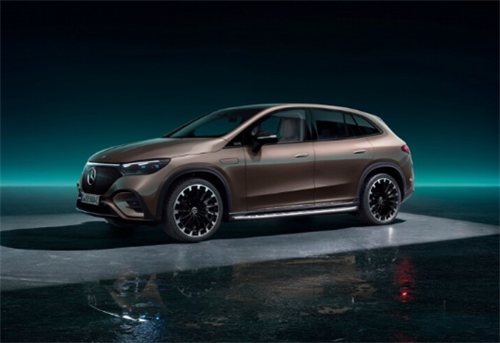
Mercedes-Benz EQE: Luxury EV with Strong Retention
The Mercedes-Benz EQE positions itself as a comfort-oriented luxury electric sedan, emphasizing ride quality, cabin refinement, and long-distance usability. Its large battery capacity and conservative powertrain calibration contribute to competitive real-world range, which has been shown to support stronger used-market demand during early ownership cycles (Cox Automotive, 2024). In markets where charging infrastructure remains inconsistent, range confidence remains a key determinant of resale behavior.
From an ownership-cost perspective, Kelley Blue Bookâs Cost to Own framework shows that depreciation accounts for the majority of total EQE ownership expense, while scheduled maintenance and repair costs remain moderate for a vehicle of its size and complexity (Kelley Blue Book, 2024). Reliability modeling from CarEdge further suggests that Mercedes-Benz EVs exhibit a relatively low probability of major drivetrain intervention during the first three years, reflecting conservative battery management systems and robust thermal control strategies (CarEdge, 2024).
As a result, three-year retention performance for the EQE generally aligns with the upper tier of the luxury EV sedan segment. While exact residual values vary by market and specification, industry residual value tracking places the EQE ahead of many similarly priced electric sedans in retained value, reinforcing its appeal to buyers prioritizing long-term ownership stability (Cox Automotive, 2024).
BMW i5: Sport-Oriented EV with Higher Cost Sensitivity
The BMW i5 represents BMWâs effort to translate its traditional sport-sedan identity into the electric era. Compared with the EQE, the i5 emphasizes chassis tuning, steering response, and digital interface integration. According to the J.D. Power Electric Vehicle Experience (EVX) Ownership Study, BMW EV owners consistently rate driving engagement and infotainment usability highly, even when ownership costs are less favorable than segment averages (J.D. Power, 2024).
Kelley Blue Book ownership modeling indicates that the i5âs total cost profile is shaped by a depreciation curve that is slightly steeper than that of the EQE during the first three years of ownership (Kelley Blue Book, 2024). This pattern aligns with broader market observations that performance-oriented luxury sedans tend to experience faster early depreciation than comfort-focused alternatives, particularly in EV segments subject to rapid technology iteration (Cox Automotive, 2024).
Maintenance costs for the BMW i5 remain reasonable in absolute terms, but CarEdge reliability analysis highlights a higher likelihood of post-warranty electronic, suspension, and software-related service interventions relative to some competitors (CarEdge, 2024). While these issues rarely result in catastrophic failures, they increase perceived ownership complexity, which in turn influences used-market pricing and three-year retention behavior.
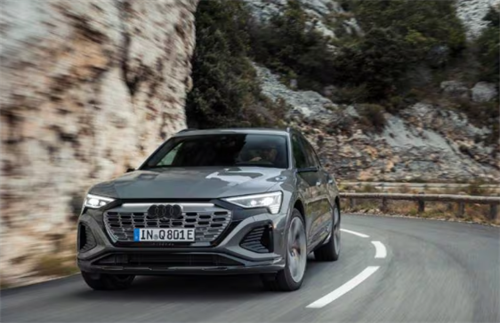
Audi Q8 e-tron: Premium SUV with Predictable Ownership Profile
As Audiâs flagship electric SUV, the Q8 e-tron benefits from sustained consumer demand for premium electric crossovers. Cox Automotive market data shows that luxury EV SUVs tend to exhibit more stable depreciation patterns than similarly priced sedans, particularly during the first ownership cycle (Cox Automotive, 2024). The Q8 e-tronâs interior space, all-wheel-drive capability, and conservative powertrain tuning contribute to steady resale demand.
CarEdgeâs long-term maintenance modeling suggests that Audi EVs, including the Q8 e-tron, generally incur lower cumulative maintenance costs during the first three years compared with German luxury competitors, largely due to simplified suspension architectures and durability-focused calibration strategies (CarEdge, 2024). Manufacturer service documentation further supports this assessment, showing fewer required service interventions beyond routine inspections during the warranty period (Audi AG, 2023â2024).
Kelley Blue Book cost modeling confirms that while depreciation remains the dominant ownership expense for the Q8 e-tron, maintenance and repair costs are notably predictable, enhancing buyer confidence in the used market and supporting competitive three-year retention outcomes (Kelley Blue Book, 2024).
Comparative Analysis: Maintenance Costs and Retention Correlation
Across all three vehicles, large-sample ownership data consistently confirms that depreciation represents the single largest component of total cost during the first three years of ownership (Kelley Blue Book, 2024; Cox Automotive, 2024). Maintenance expenses, although relevant, play a secondary role in determining overall financial exposure.
CarEdge probability modeling reveals a correlation between maintenance predictability and retention performance, with vehicles exhibiting fewer unexpected service interventions maintaining stronger resale demand (CarEdge, 2024). Within this framework, Audi benefits from low maintenance variability, Mercedes-Benz from balanced cost distribution and strong brand equity, and BMW from performance appeal offset by higher long-term complexity.
Practical Takeaways for Prospective Buyers
For buyers prioritizing long-term value retention, the Mercedes-Benz EQE emerges as a balanced option, combining strong real-world range, stable resale behavior, and moderate maintenance expectations (Kelley Blue Book, 2024). Enthusiasts seeking a more engaging driving experience may prefer the BMW i5, with the understanding that sport-oriented tuning and advanced electronics can introduce additional ownership cost sensitivity over time (J.D. Power, 2024). Buyers prioritizing predictable maintenance and versatility are likely to find the Audi Q8 e-tron particularly appealing, as its ownership profile aligns closely with industry findings on cost stability and durability (CarEdge, 2024).
Across all three models, industry guidance and manufacturer service documentation emphasize the importance of routine software updates, diagnostic checks, and post-warranty monitoring of electronic and suspension systems to preserve resale value and ownership satisfaction during the three-year holding period (Audi AG, 2023â2024; BMW Group, 2023â2024; Mercedes-Benz Group AG, 2023â2024).
For luxury EV owners, three-year retention rates and maintenance costs are closely linked to brand strategy, vehicle configuration, and ownership predictability. Evidence drawn from Kelley Blue Book ownership modeling, CarEdge maintenance analysis, Cox Automotive residual value tracking, and J.D. Power ownership studies demonstrates that depreciation dominates total cost, while maintenance remains comparatively controlled across all three vehicles (Cox Automotive, 2024; Kelley Blue Book, 2024). Audi typically delivers the most predictable maintenance profile, BMW incurs higher long-term complexity costs, and Mercedes-Benz occupies a balanced position between resale strength and service requirements. Evaluated together, these findings provide a robust, data-backed foundation for informed decision-making in the premium electric vehicle market.
Referencesï¼
[1] Audi AG. (2023â2024). Electric vehicle warranty coverage and service schedules. Audi technical publications.
[2] BMW Group. (2023â2024). Electric vehicle service and battery durability documentation. BMW Group technical publications.
[3] CarEdge. (2024). Electric vehicle maintenance costs and reliability modeling.
https://caredge.com
[4] Cox Automotive. (2024). Luxury electric vehicle depreciation and residual value trends.
https://www.coxautoinc.com/market-insights
[5] J.D. Power. (2024). U.S. electric vehicle experience (EVX) ownership study.
https://www.jdpower.com/business/automotive/electric-vehicle-experience-study
[6] Kelley Blue Book. (2024). Cost to own: Luxury electric vehicles.
https://www.kbb.com/new-cars/cost-to-own/
[7] Mercedes-Benz Group AG. (2023â2024). Electric vehicle warranty and maintenance documentation. Mercedes-Benz technical publications.
Recommended for you