Apart from the Car Price, How Much Budget Do You Need to Prepare for an âElectric Porscheâ?
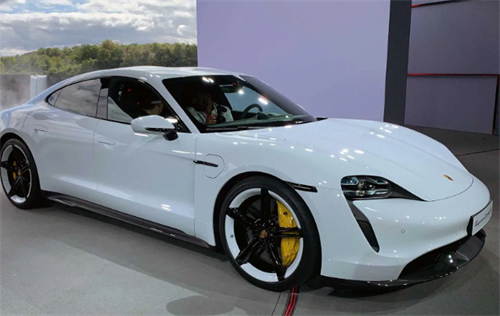
Buying an electric Porsche is not simply a matter of paying a premium purchase price and enjoying lower running costs afterward. Vehicles such as the Porsche Taycan and the electric Macan combine luxury positioning, cutting-edge EV technology, and true sports-car performance, which fundamentally alters the total cost of ownership compared with both traditional Porsche internal-combustion models and mainstream electric vehicles.
Beyond the initial MSRP, owners must prepare for a complex cost structure that includes rapid early depreciation, elevated insurance premiums, high-performance consumables, specialized maintenance, charging infrastructure investments, and long-term battery-related uncertainty. In real-world ownership scenarios, these costs can collectively exceed six figures over a typical five-year period, making financial preparation just as important as emotional desire when deciding to own an electric Porsche.
What âOwnership Costâ Really Means for a Porsche EVï¼
Ownership cost for a Porsche EV extends far beyond routine fuel or servicing expenses and instead reflects a layered financial commitment that unfolds over time. Core categories include depreciation, insurance, electricity, maintenance and repairs, battery and high-voltage system considerations, tires and brakes, taxes, financing charges, and opportunity costs tied to capital allocation.
Unlike economy EVs, Porsche electric models amplify each category due to higher initial pricing, complex engineering, premium materials, and performance-oriented tuning. Data from industry cost-of-ownership analyses show that even when excluding the purchase price, a 2025 Porsche Taycan can accumulate over $120,000 in ownership-related expenses across five years, demonstrating that EV efficiency alone does not equate to low ownership cost when performance and luxury are involved.
Depreciation: The Dominant and Often Underestimated Cost
Depreciation represents the single largest financial burden for electric Porsche owners, frequently outweighing all other ownership costs combined. Luxury EVs depreciate more rapidly than many internal-combustion sports cars due to fast-moving technology cycles, shifting consumer expectations around range and charging speed, and uncertainty surrounding long-term battery health.
In the case of the Taycan, five-year depreciation estimates range from approximately $63,000 to more than $73,000, with the steepest decline occurring within the first two to three years of ownership. Real-world resale data and auction results reinforce this trend, as lightly used electric Porsches can lose tens of thousands of dollars shortly after delivery, making depreciation a critical factor that buyers must accept upfront rather than treating it as a distant concern.
Insurance Costs: Performance, Complexity, and Risk Pricing
Insurance premiums for electric Porsches remain significantly higher than those of mainstream EVs and even exceed many gasoline-powered luxury vehicles. Insurers price risk based on replacement cost, repair complexity, performance capability, and historical claim data, all of which work against Porsche EVs. High-voltage battery packs, aluminum-intensive structures, specialized electronics, and limited-certified repair networks drive up claim severity, while rapid acceleration and high torque influence claim frequency.
As a result, five-year insurance costs for a Taycan can exceed $22,000, translating to more than $4,000 annually for many drivers. These figures vary by location, driver history, and coverage level, but consistently rank among the highest in the EV segment, making insurance a non-negotiable component of ownership budgeting.
Charging Costs: Lower Than Fuel, But Far From Negligible
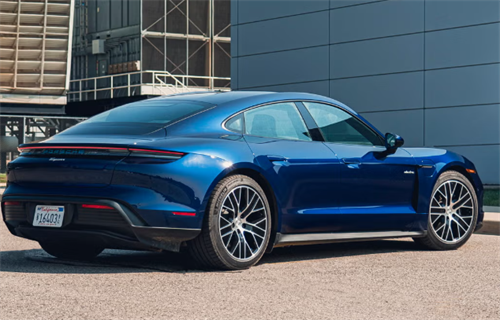
While electric charging is generally cheaper than gasoline on a per-mile basis, high-performance EVs like the Taycan consume substantial energy due to their weight, power output, and driving dynamics. Owners who charge primarily at home may benefit from lower electricity rates, but annual charging costs can still reach $1,500 to $2,000 depending on mileage and local energy prices.
Public DC fast charging introduces greater variability, with pricing structures often exceeding residential electricity costs and sometimes approaching or surpassing gasoline-equivalent pricing during peak periods.
Additionally, reliance on fast charging for convenience or long-distance travel can accelerate battery degradation over time, indirectly influencing depreciation and resale value, which further complicates the true cost of âfuelâ for an electric Porsche.
Maintenance and Repairs: Fewer Parts, Higher Stakes
Electric Porsches eliminate several traditional maintenance items such as oil changes and exhaust system servicing, but they replace them with specialized requirements tied to high-voltage systems, thermal management, and advanced electronics. Routine service includes battery coolant checks, brake fluid replacement, software updates, cabin filtration, and inspections of power electronics and charging hardware.
Over five years, scheduled maintenance and unscheduled repairs typically total between $6,000 and $8,000, according to ownership cost estimates. However, individual repair events can be disproportionately expensive, particularly when involving sensors, inverters, or high-voltage components that require dealer-level expertise, making warranty coverage and service planning especially important for long-term owners.
Battery and High-Voltage Systems: Long-Term Financial Uncertainty
The high-voltage battery is the defining component of any EV and the greatest source of long-term financial uncertainty for owners. Porsche battery warranties generally cover eight years or 100,000 miles with a guaranteed minimum capacity threshold, providing peace of mind during the early ownership period.
Beyond warranty coverage, however, replacement or major repair costs can reach tens of thousands of dollars, depending on labor, availability, and regional pricing. Even when no failure occurs, concerns about battery degradation influence resale values, as used-market buyers closely scrutinize remaining warranty coverage and capacity estimates. As a result, battery-related uncertainty contributes not only to potential future expenses but also to accelerated depreciation throughout the ownership lifecycle.
Tires, Brakes, and Performance Consumables
Performance-oriented electric Porsches place unique demands on consumable components due to their instant torque delivery, high curb weight, and aggressive driving potential. Tires are particularly affected, with some owners reporting replacement intervals as short as 10,000 miles under spirited use.
Porsche-approved performance tires carry premium pricing, and annual tire expenses alone can reach several thousand dollars. Brake wear is partially mitigated by regenerative braking systems, but high-speed driving and track use still result in notable brake component costs over time. Collectively, these consumables add a recurring expense layer that exceeds what most EV buyers expect and aligns more closely with traditional high-performance sports car ownership.
Taxes, Fees, and Financing Costs
Taxes and financing expenses represent an often-overlooked component of ownership cost, particularly for high-value vehicles like electric Porsches. Sales tax on a six-figure purchase can add thousands of dollars upfront, while registration fees, luxury taxes in certain jurisdictions, and financing interest further increase total expenditure. Even buyers who pay cash face opportunity costs related to capital allocation, as funds tied up in a depreciating asset could otherwise be invested elsewhere.
Over a five-year ownership period, taxes, fees, and financing-related costs can collectively approach $7,000 to $8,000 or more, reinforcing the importance of holistic budgeting rather than focusing solely on visible expenses.
Five-Year Ownership Cost in Real Terms
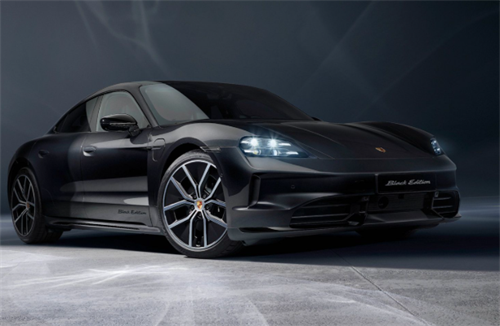
When depreciation, insurance, charging, maintenance, consumables, and taxes are combined, the five-year cost of owning an electric Porsche beyond the purchase price typically ranges from $100,000 to $130,000 or more. These figures are not theoretical extremes but reflect aggregated real-world data and owner experiences across different regions and usage patterns.
Crucially, these costs accrue regardless of whether the vehicle is driven aggressively or conservatively, as depreciation and insurance dominate the financial profile. For many owners, the total ownership cost over five years rivals the price of an entirely separate vehicle, underscoring the seriousness of the financial commitment involved.
Leasing Versus Buying: Strategic Cost Management
Given the depreciation profile of electric Porsches, leasing has emerged as a strategic option for buyers seeking to limit financial exposure. Leasing transfers depreciation risk to the manufacturer or finance provider while offering predictable monthly costs and access to newer technology at the end of the term.
However, leases may include mileage restrictions and wear-and-tear penalties that conflict with enthusiastic driving habits. Buying, on the other hand, offers long-term ownership flexibility but exposes the owner fully to depreciation and resale uncertainty. Choosing between leasing and buying therefore becomes a strategic financial decision rather than a purely personal preference.
Certified Pre-Owned and Used Market Considerationsï¼
The used electric Porsche market presents opportunities for value-conscious buyers willing to accept earlier depreciation losses absorbed by previous owners. Certified Pre-Owned programs extend warranty coverage and provide some protection against unexpected repair costs, making them particularly attractive in the EV segment.
However, buyers must carefully assess battery health, remaining warranty duration, and software update status when evaluating used models. While CPO purchases can significantly reduce upfront cost, they do not eliminate long-term ownership expenses, and depreciation continues, albeit at a slower pace than during initial ownership.
Ownership Experience Versus Financial Reality
For many owners, the appeal of an electric Porsche lies not in cost efficiency but in the unique driving experience it offers. Instant torque, precise handling, advanced technology, and brand prestige deliver emotional and experiential value that transcends spreadsheets.
Nevertheless, aligning expectations with financial reality is essential to long-term satisfaction. Owners who enter the experience fully informed about costs are far less likely to feel disappointed or financially strained, while those who underestimate ownership expenses may find the experience overshadowed by unexpected financial pressure.
Ownerâs Information: Practical Points to Note
For the benefit of current and prospective owners, several additional considerations can materially influence long-term ownership outcomes, including charging behavior optimization, regular software updates, careful tire selection, and proactive warranty management.
Establishing a reliable home charging setup reduces operating costs and reliance on expensive public chargers, while maintaining detailed service records enhances resale value. Owners should also monitor manufacturer software updates closely, as performance improvements and efficiency optimizations can subtly affect both driving experience and long-term costs. Finally, understanding warranty terms and planning ownership duration around coverage periods can significantly reduce exposure to high-cost repair events.
Owning an electric Porsche is a premium automotive experience accompanied by a premium financial commitment. Although decreased mechanical complexity and improved electric efficiency provide some benefits, they do not counterbalance the primary cost factors of depreciation, insurance, and high-performance consumables. Over a typical five-year ownership period, total costs beyond the purchase price can easily reach or exceed six figures, making careful financial planning essential.
References:
[1] Car and Driver. (2025). 2025 Porsche Taycan Turbo GT fast-charging test. Car and Driver. https://www.caranddriver.com
[2] Edmunds. (2025). 2025 Porsche Taycan: True cost to own. Edmunds. https://www.edmunds.com/porsche/taycan/2025/cost-to-own/
[3] Edmunds. (2025). Electric vehicle ownership costs and depreciation trends. Edmunds Research Insights. https://www.edmunds.com
[4] Kelley Blue Book. (2025). 2025 Porsche Taycan cost to own. Kelley Blue Book. https://www.kbb.com/porsche/taycan/2025/cost-to-own/
[5] Kelley Blue Book. (2024). Porsche Taycan depreciation and resale value analysis. Kelley Blue Book. https://www.kbb.com
[6] Porsche AG. (2025). Porsche Taycan: Technical data, battery warranty, and charging architecture. Porsche Official Website. https://www.porsche.com
[7] Porsche AG. (2025). High-voltage battery warranty information. Porsche Ownerâs Manual & Warranty Guide. https://www.porsche.com
[8] The Autopian. (2025, March 28). The electric Porsche Macan is a sublime electric crossover that comes at a serious cost. https://www.theautopian.com
[9] U.S. Department of Energy. (2024). Electric vehicle charging costs and efficiency. Alternative Fuels Data Center. https://afdc.energy.gov
[10] Reddit. (2023â2025). Porsche Taycan and electric Porsche ownership discussions. r/Porsche, r/electricvehicles. https://www.reddit.com
Recommended for you