Buttons vs. Touch Screens in Cars: A 10-Year Analysis of Durability, Safety, and Ownership Costs
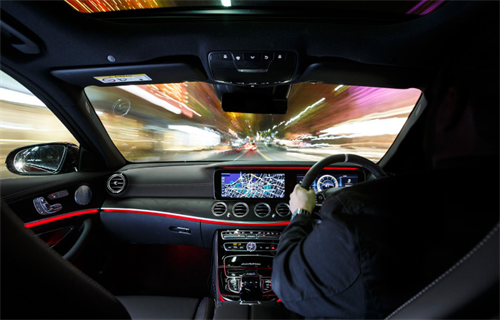
For decades, drivers judged vehicle reliability by engines, transmissions, and brakes. Today, a major differentiatorâespecially for owners keeping cars for seven to ten yearsâis the control interface itself: physical buttons and knobs versus modern touchscreens.
Touchscreens promise sleek design and flexible features. Buttons promise predictability and simplicity. When held over a decade of ownership, these choices have real consequences for:
-Failure rates and repair costsï¼
-Safety and driver distractionï¼
-Long-term owner satisfaction and resale valueï¼
Physical Buttons: Durable Simplicity That Ages Well
Physical buttons and knobs remain fundamentally mechanical systems with known endurance characteristics. They may wearâcontacts lose crispness, coatings dullâbut their failure modes are localized and predictable.
Automotive suppliers validate high-use switchgear well beyond realistic lifetime use. For example, electromechanical buttons are routinely tested for hundreds of thousands of actuations under heat, vibration, and humidity conditions during product development (Bosch, 2024). This means a button pressed dozens of times a day can endure many years without significant performance degradation.
When they do fail, physical control repairs tend to be inexpensive. Repair networks and independent shops typically list replacement switch modules in the low hundreds of dollars, with labor limited to straightforward panel removal and installation. Software coding is rarely needed, unlike with digital modules, making these repairs easier and less expensive over time.
Importantly, buttons provide tactile feedback. Drivers can adjust climate or volume without looking down, reducing eyes-off-road time and cognitive loadâa usability advantage that accumulates over thousands of everyday interactions.
Touch Screens: Systemic Complexity and Concentrated Risk
Touchscreens unify climate, media, navigation, vehicle settings, and even some ADAS functions into a single interface. This architectural shift comes with both benefits and risks.
A touchscreen is not a single part. It is a system with:
A display panelï¼
Capacitive touch layerï¼
Processors and firmwareï¼
Embedded software and calibration requirementsï¼
Integration with multiple vehicle networksï¼
When failure occursâwhether due to glass delamination, digitizer failure, firmware corruption, or display degradationâthe malfunction often resonates beyond one function. Unlike a single-off button failure, a touchscreen fault can impact climate, audio, cameras, and settings simultaneously.
Industry repair cost data underscores the financial impact of this complexity. According to CCC Intelligent Solutionsâ Crash Course 2025 report, the average total cost of repair (TCOR) across all vehicles climbed above $4,730 in 2024, driven by rising parts prices, labor rates, and diagnostic requirementsâa trend that reflects the higher costs associated with complex modern systems. (CCC Intelligent Solutions)
Detailed infotainment screen repair cost breakdowns from automotive repair specialists show that dealership replacement of an infotainment display module often runs:
-Infotainment module parts: $1,200â$2,500
-Labor (2â4 hours): $300â$700
-Software calibration: $150â$400
-Total typical dealer cost: $1,700â$3,500+ (Cuescreens)
These figures are consistent with owner-reported experiences across brands, where some OEM quotes for infotainment module replacement (especially on premium or highly integrated systems) can run into the low thousands of dollars depending on model and complexity.
In a ten-year-old vehicle with a market value of $6,000â$10,000, a single repair of this scale can represent 30â50% of the carâs remaining value, fundamentally altering long-term ownership economics.
Safety and Distraction: Measured Performance Differences
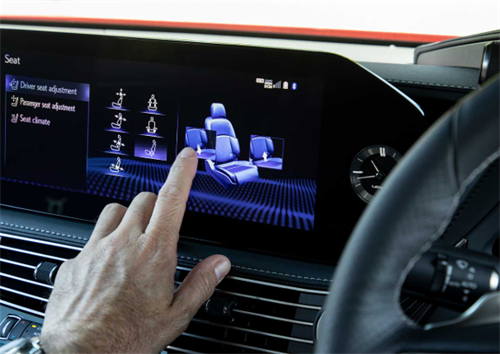
A critical dimension of interface design is how quickly and safely drivers can complete common tasks while underway.
A controlled study by Swedish motoring magazine Vi Bilägare directly compared task completion times across 11 modern vehicles and a 2005 Volvo V70 (with buttons only) at highway speed (110 km/h). Drivers executed tasks such as changing radio stations and adjusting temperature without stopping.
The results were stark:
The Volvo with physical controls completed all tasks in under 10 seconds (about 306 meters traveled during task performance).
Several modern touchscreen-centric vehicles took 3â4 times longer, covering up to 1,372 meters before completing the same tasks.(fenderbender.com)
Even premium vehicles and voice-control systems struggled to match the speed and minimal visual demand of physical controls. These differences matter not only for safety but for everyday usability and driver fatigue over years of ownership.
Consumer Demand: Buyers Are Skeptical of Tech for Techâs Sake
Despite industry enthusiasm for ever-larger touchscreens and in-cab tech, consumer research reveals a more nuanced stance.
AutoPacificâs 2024 Future Attribute Demand Study surveyed more than 11,700 potential buyers about the technologies they would pay extra to have. Surprisingly, the features consumers were least willing to pay for included:
Passenger infotainment screensï¼
In-vehicle purchasing systemsï¼
Pedestrian messaging technologiesï¼
Only 17â21% of respondents saw these offerings as worth paying for, indicating that most buyers prioritize practicality over technological novelty. (fenderbender.com)
This gulf between supply and demand can hurt resale value later. Buyers in the used market often discount vehicles with complex, unfamiliar, or failure-prone infotainment systems, slowing sales and accelerating depreciation.
Durability vs. Adaptability: Cars Arenât Smartphones
Touchscreens mirror the technology logic of smartphonesâsleek, flexible, and software updateable. Yet cars differ in crucial ways:
They endure years of vibration, temperature extremes, and UV exposure.
They must support eyes-off-road operation in safety-critical scenarios.
They are expected to remain functional for a decade or more.
Vehicles are not disposable consumer gadgets. The result is that reliability, repairability, and user ergonomics often trump aesthetic minimalism in long-term value.
Practical Guidance for Long-Term Ownersï¼
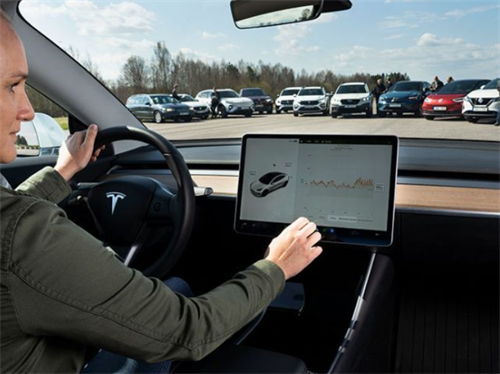
For buyers planning to keep their vehicles beyond the factory warranty, some specific strategies help balance modern features with long-term durability.
1. Seek Out Hybrid Control Interfacesï¼
Rather than screen-only cabins, look for layouts where physical controls handle high-frequency tasks while screens serve secondary ones:
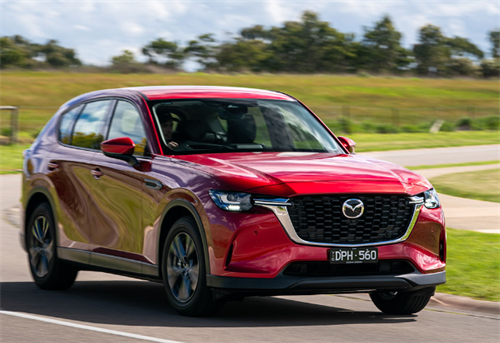
-Mazda Models (Mazda3, CX-5): Retain physical knobs for climate and audio while featuring a central screen for media and navigation â a layout consistently praised in ergonomic reviews.
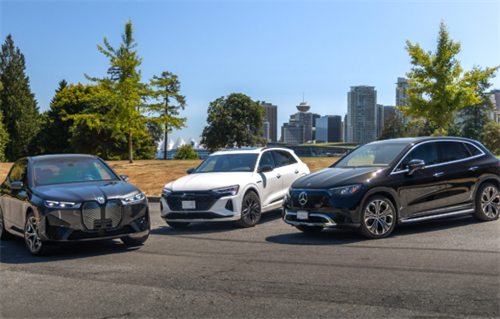
-BMW with iDrive Controller + Buttons: Combines a rotary controller and shortcut buttons with a central screen, reducing eyes-off-road time for common tasks.
-Toyota & Lexus Dual Controls: Many models keep dedicated physical buttons for climate and volume alongside touchscreen functions, a practical hybrid approach that avoids deep menu interfaces.
These designs reflect a human-centered approach, prioritizing frequent tasks with tactile, low-distraction controls and relegating less-used functions to the display.
2. Budget for Electronics Contingencies
Even with hybrid interfaces, complex screens can fail. Setting aside an electronics contingency fund of $500â$2,000 as part of long-term maintenance planning is prudent, especially for vehicles older than five years.
3. Ask Dealers About Parts Availability
Before purchase, inquire about after-warranty parts availability and typical costs for infotainment modules on the specific model year. Limited parts availability can mean long lead times and higher costs as the vehicle ages.
Over a ten-year ownership cycle, physical buttons still hold significant advantages in durability, predictability of repair cost, and safe usability. Touchscreens bring modern capabilities, but when they replace rather than augment tactile controls, they concentrate systemic risk and raise lifecycle expenses.For owners who care about real-world longevity, daily usability, and long-term value â not just initial flashiness â hybrid control layouts with thoughtful physical interfaces remain the most resilient choice.
Referencesï¼
[1] AutoPacific. (2024). Future Attribute Demand Study (FADS): Consumer demand for emerging vehicle technologies. AutoPacific Automotive Research.
[2] Bosch. (2024). Bosch automotive handbook (12th ed.). Robert Bosch GmbH.
[3] CCC Intelligent Solutions. (2025). Crash Course Q3 2025 Report. CCC Intelligent Solutions Inc. CCC Intelligent Solutions
[4] Vi Bilägare. (2023). Physical buttons outperform touchscreens in new cars: Driver distraction and task completion study. Vi Bilägare Magazine.
[5] Automotive Repair Cost Guides. (2025). Infotainment touchscreen replacement cost breakdown. Cuescreens and independent sources.
Recommended for you