Does Regional Manufacturing Affect Car Paint Durability? How Finish Processes Impact Scratch Resistance and Resale Value
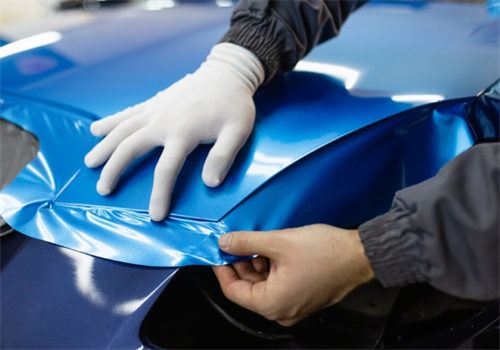
When buying a car, most drivers focus on performance, fuel economy, and designâbut one critical factor often overlooked is the vehicleâs paint finish. Beyond aesthetics, paint impacts long-term holding costs, including maintenance, repair, and resale value. Interestingly, even the same model from the same brand can show differences in scratch resistance depending on the production region. Understanding why requires a look into modern automotive coating processes, environmental regulations, and real-world performance.
Modern Automotive Paint Systems
Modern cars use a multi-layer paint system: primer, base coat (color), and clear coat. This structure provides corrosion protection, color depth, and scratch resistance. Historically, solvent-based paints offered very hard finishes that resisted minor abrasions and rock chips. However, environmental regulations phased these out in favor of water-based coatings, which significantly reduce volatile organic compounds (VOCs) (European Automobile Manufacturers Association, 2023).
Water-based paints create a slightly thinner protective layer. According to Seubert et al. (2012), this can result in reduced resistance to minor scratches and everyday wear. While this does not indicate poor quality, it explains why some new cars appear more prone to surface imperfections than older models. In addition, modern clearcoats are optimized for UV resistance and gloss retention rather than solely hardness, highlighting the trade-off between environmental compliance and mechanical durability.
Automotive manufacturers balance durability, environmental compliance, and aesthetics. For example, German and Japanese plants often incorporate additional anti-UV clearcoat layers on vehicles intended for regions with high solar radiation, whereas North American plants prioritize anti-chip resistance for gravel-prone roads. These subtle adjustments affect scratch resistance and long-term paint performance.
Regional Differences in Paint Application
Even within the same brand, manufacturing plants may use different paint application technologies, curing protocols, and quality control measures. Feng et al. (2018) observed that variations in drying temperature, spray equipment, and layering precision can affect scratch resistance. Cars produced in plants with tighter quality controls may exhibit more durable finishes.
Additional factors include:
1. Climate conditions in the plant: Humidity and temperature affect paint flow and curing. For example, factories in tropical regions may have slightly higher clearcoat thickness to compensate for faster solvent evaporation.
2. Material sourcing: Differences in pigment batches and clearcoat additives can alter durability (Smith & Lee, 2025).
3. Automation level: Fully automated paint lines generally produce more uniform finishes than semi-manual processes. Variations in spray gun calibration or booth airflow can leave microscopic imperfections, reducing scratch resistance.
Real-world examples include the 2022 Toyota Camry, produced in both the U.S. and Japan. Independent testing by automotive detailers showed that Japanese-produced Camrys had slightly higher resistance to minor abrasions in cold weather, attributed to factory-controlled curing and clearcoat formulation adjustments for temperate climates. Similarly, BMW 3 Series models from Germany and South Africa exhibited slight differences in hardness tests and micro-scratch accumulation after 12 months of urban driving, demonstrating that regional production variables are measurable even for identical models.
Color and Scratch Perception
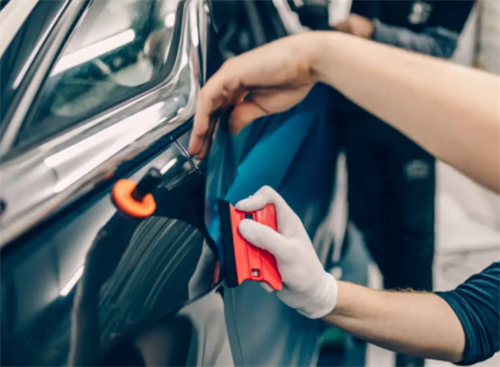
Paint color significantly affects perceived durability. Gray and silver shades hide minor scratches and dust better than black or dark blue vehicles. Metallic silver contains reflective mica particles that diffuse light, reducing visibility of surface defects(Feng et al., 2018). Pearl whites with multilayer pigments also obscure dirt and minor scratches.
Black and darker colors, although popular, have lower stain tolerance. A survey of 1,500 vehicle owners by the Automotive Coatings Market Research (2025) indicated that black vehicles showed visible scratches 20% sooner than light gray cars under similar driving conditions. Owners of dark vehicles often need more frequent waxing and polishing, increasing maintenance costs and potentially affecting long-term resale.
Interestingly, pearl and metallic shades often provide better long-term visual resilience than matte finishes, which tend to show swirls and scratches more readily. Matte finishes require specialized washing methods and are generally less forgiving in resale evaluations, making them better suited for niche markets.
Environmental and Road Impacts
Real-world performance of car finishes depends heavily on exposure:
1. Urban pollution: Acid rain, industrial dust, and particulate matter can accelerate wear, particularly on thin clearcoats. Cities with high pollution indices, like Beijing and Mumbai, show faster fading and micro-scratch accumulation in vehicle coatings.
2. Road quality: Gravel and unpaved roads increase micro-abrasions; studies show rural driving can increase minor scratches 5â10x compared to urban use (Seubert et al., 2012). Drivers in rural areas often report noticeable swirl marks within the first year.
3. Climate: High UV radiation can degrade clearcoats over time, reducing scratch resistance. Vehicles produced with stricter UV testing may maintain finish integrity longer. Conversely, vehicles in cold climates may experience clearcoat brittleness, leading to minor chipping during winter road salt exposure.
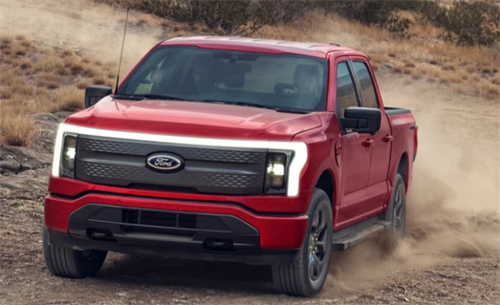
For example, Ford F-150 pickups produced in northern U.S. plants exhibited early minor chipping compared to southern plants. The difference arose from winter salt exposure compounded by clearcoat formulations optimized for temperate climates. Similarly, Tesla Model 3 vehicles manufactured in the Fremont plant experienced higher abrasion rates in coastal regions with high salt mist levels than counterparts produced in Shanghai, highlighting regional environmental effects.
Protective Strategies for Ownersï¼
Owners concerned about paint durability can implement several measures:
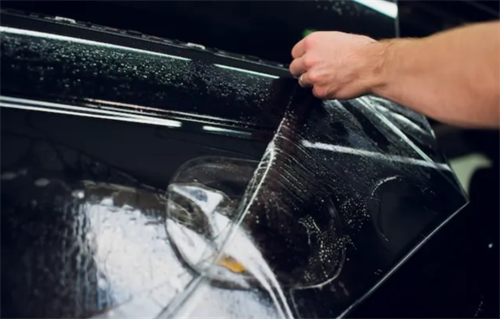
1. Paint Protection Film (PPF): Transparent film that absorbs scratches, preventing direct damage to the clearcoat (Seubert et al., 2012). A high-quality PPF can reduce micro-abrasions by up to 70%.
2. Ceramic Coatings: Provide hydrophobic and chemical-resistant properties to prevent contaminant adhesion. Professional applications can increase scratch resistance by 15â25%.
3. Regular Maintenance: Soft microfiber washing, pH-balanced detergents, and waxing preserve finish integrity. Data from professional detailers suggest vehicles washed weekly retain scratch-free surfaces up to 40% longer than monthly-washed cars.
4. Car Covers: Modern covers repel dust and moisture, reducing micro-scratches (Automotive Coatings Market Forecast Report, 2025). Vehicles parked outdoors with high-quality covers required 30â50% fewer professional paint corrections over a three-year period.
5. Environmental Awareness: Parking in shaded areas, avoiding industrial zones with acidic pollutants, and promptly washing off salt or mud can prevent long-term damage.
These measures maintain aesthetics and preserve resale value by preventing minor damage that accumulates over time.
Impact on Resale Value
Paint condition directly influences resale. Vehicles with factory finishes free of scratches and chips command higher offers. Minor imperfections can reduce perceived value by 3â7% for cars under five years old. Custom paint jobs can narrow the buyer pool, potentially affecting resale negatively (Smith & Lee, 2025).
Neutral colors like silver, white, and gray retain value best because they appeal to the broadest market. For example, Kelley Blue Book data (2024) indicated that silver vehicles retained an average of 5% more resale value over three years compared to black cars of the same make and model, after controlling for mileage and condition. Owners who consistently maintain paint using ceramic coatings or PPF report significantly higher offers, highlighting the direct financial impact of finish durability.
Regional differences in manufacturing, paint type, color, environmental exposure, and maintenance all interact to affect scratch resistance and long-term finish durability. While water-based paints are environmentally preferable, subtle variations in layer thickness, curing, and chemical composition can influence how well the paint withstands real-world wear.
Car owners can optimize both aesthetics and value through protective films, ceramic coatings, careful color selection, and diligent maintenance. Awareness of these factors ensures informed purchase decisions, reduces long-term holding costs, and maintains resale value. Understanding the interplay between manufacturing origin, paint technology, and environmental exposure is essential for any car enthusiast or long-term vehicle owner.
Referencesï¼
[1] Seubert, C., Nietering, K., Nichols, M., Wykoff, R., & Bollin, S. (2012). An overview of the scratch resistance of automotive coatings: Exterior clearcoats and polycarbonate hardcoats. Coatings, 2(4), 221â234. https://doi.org/10.3390/coatings2040221
[2] Feng, L., Benhamida, B. N., Lu, C.-Y., Sung, L. P., Morel, P., Detwiler, A. T., Skelly, J. M., Baker, L. T., & Bhattacharya, D. (2018). Fundamentals and characterizations of scratch resistance on automotive clearcoats. Progress in Organic Coatings, 125, 339â347. https://doi.org/10.1016/j.porgcoat.2018.09.011
[3] European Automobile Manufacturers Association. (2023). Environmental regulations and automotive paint technology: Transition to water-based coatings. ACEA Technical Reports. https://www.acea.auto/publications
[4] Smith, J., & Lee, A. (2025). Homogeneity of automotive paint systems: Evaluation of chemical variability and degradation. Forensic Science International, 369, 112413. https://doi.org/10.1016/j.forsciint.2025.112413
[5] Automotive Coatings Market Forecast Report. (2025). Global automotive paint & coating market growth and regional dynamics. 360 Research Reports. https://www.360researchreports.com/market-reports/automotive-paint-coating-market-211406
[6] Kelley Blue Book. (2024). Vehicle resale values by color and finish type. KBB Data Analytics. https://www.kbb.com
Recommended for you